
Practical Tips For Improving GI Tract Health

Today’s Topic Highlights:
A well functioning GI tract is a defining feature of a healthy body.
Gastrointestinal (GI) disorders are the third most common cause of general practice consultations for patients over 65.
Chewing slowly and thoroughly is the simplest, most readily available tip for improving digestion. It is also the most commonly broken rule of digestive health.
Certain herbs can help improve gut health by stimulating digestive enzymes, relaxing gut muscles, and reducing inflammation.
Longevity and quality of life should go hand in hand, and GI health is a good area to direct that focus.
A well functioning GI tract is a defining feature of a healthy body. Unfortunately, serious problems in this area are one of the hallmarks of first world countries. Maintaining gastrointestinal (GI) tract health requires a holistic approach that supports both mechanical digestion and the overall gut microbiome.
Gastrointestinal (GI) disorders are the third most common cause of general practice consultations for patients over 65.1 Knowing this, it is imperative that gut health be prioritized in the older population.
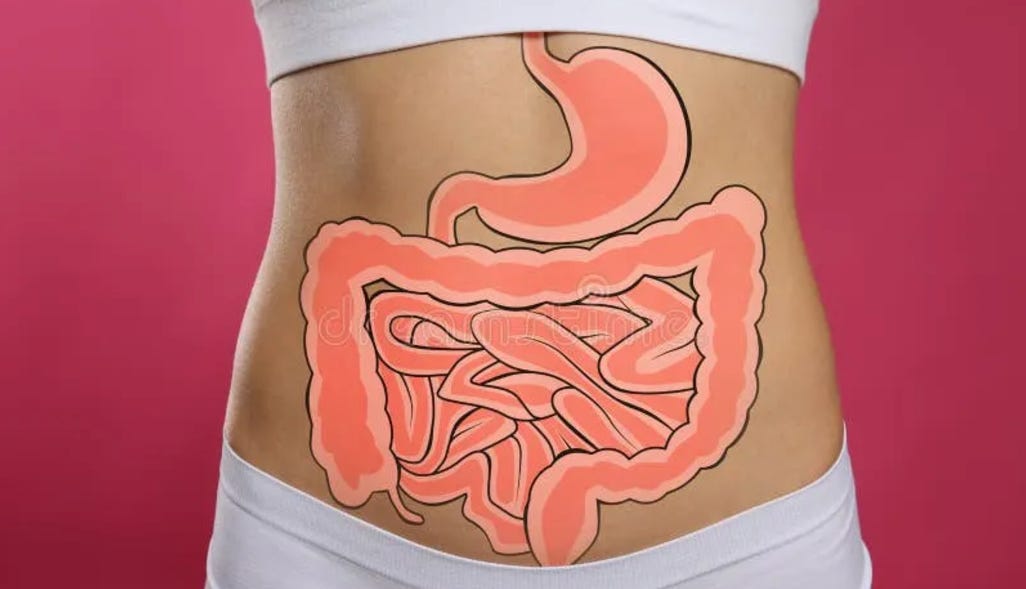
The GI tract is a 30-foot long tube of smooth muscle that enables ingestion, absorption, assimilation, and excretion of vital nutrients and waste from food. It relies on a nontoxic diet, stress management, and healthy lifestyle habits to prevent conditions from arising or worsening.
Below are 4 practical tips you can immediately employ to effectively improve your digestive health.
Tip #1: Chew slowly and thoroughly
This is the simplest, easiest, most readily available tip on this list. It is also the most commonly broken rule of digestive health. Based on my professional experience the average person only chews about 5 or 6 times per bite. There is simply no way for the body to process food effectively when you chew this inadequately.
The ideal target for chewing volume is 30 chews per bite, approximately one for every tooth. Thirty chews is enough to break down most foods into an easily digested mush. Obviously certain foods require more chewing than others (ex: salad vs yogurt). However, sticking to the 30-chew approach is helpful for developing a habit that most people today definitely lack.
The eating environment should also be calm and stress free. Stress inhibits healthy digestion. Technological distractions like phones, tablets, and TVs are best left off. The less visual and auditory stimuli you are bombarded with, the easier it is to relax and focus on chewing thoroughly.
Tip #2: Incorporate herbs
Certain herbs can help improve gut health by stimulating digestive enzymes, relaxing gut muscles, and reducing inflammation.
A 2025 clinical trial published in Food Science & Nutrition found that both ginger and peppermint significantly improved various gastrointestinal disorders and reduced colorectal cancer risk.2 Marshmallow root and slippery elm help soothe irritated tissues within the stomach lining and promote a healthy gut microbiome.
Additional gut friendly herbs include fennel, chamomile, oregano, and dandelion root. All of these herbs can be incorporated into prepared meals, drank in the form of tea, or taken as a supplement.